Messenger opensat your table.
One consent button and no sign-up. NTAG 424 stickers produce one-time links that the server checks every time.


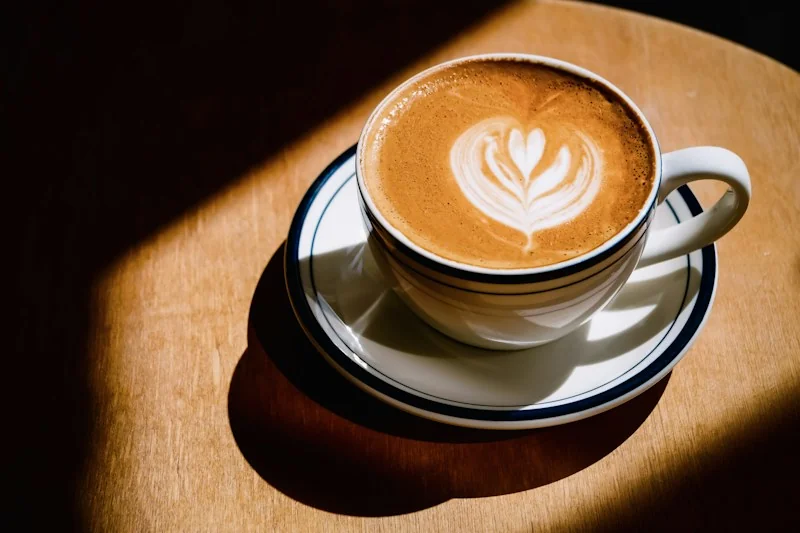
AI cafe ordering in Messenger. Tap at the table and say yes once. The shop's AI knows the menu, respects the prices and works for the owner.
Motion video with sample data. All payments are in a Stripe sandbox, with no real money.
No new app for the customer. Everything happens in Messenger, while the server stays in charge of prices and payment.
One consent button and no sign-up. NTAG 424 stickers produce one-time links that the server checks every time.

The model chooses only from offers the owner approved, and it never sets a price. Stripe Checkout takes the payment.

Muse Spark edits a real cart with server tools, in Thai or English, by text or voice. Send a photo and it finds the closest menu item.
Choose one day to three months, with a cap per order and in total. Ordering then charges the saved card, and you can stop at any time.
Book in chat from free times only. Food paid in advance stays out of the kitchen queue until the customer taps in at the table.
An MCP connector gives agents the menu, a server quote and checkout. They pass IDs only, never set a price and never see a card.
→ list_menu()
Latte, Matcha, Croissant…→ get_quote(item_id, 1)
server price: $5.00→ complete_checkout(quote_id, token)
CONFIRMED · order #8F2C→ order_status(order_id)
PREPARINGMuse Spark drafts promotions and Muse Image makes banners. Nothing goes live without approval. A bounded Allow All has a daily cap and can be revoked at once.
−15%AI-made bannerScreen illustrations with sample data. Shown in English; Thai is also supported.
Meta's models do real work in the shop, inside rules the server enforces.
Chooses offers, chat steps, cart tools, photo matches and promotion drafts, using structured output against a server-built list.
Muse Image draws banners and pair-deal pictures, labelled as AI-made. SAM 3.1 counts stock in a photo.
Muse Wonder answers the owner through read-only tools. Muse Voice Transcribe gives the transcript and splits an order by speaker.
Paid status comes only from a signed webhook or a server lookup.
A repeated webhook has no second effect. Row-level security keeps each shop apart.
Every model call is in an evidence ledger, and the shop keeps selling if the model is down.
BitPOS with Muse is an AI ordering layer for small cafes. A guest taps a card at the table, agrees once in Messenger and can then order and pay in chat. It was built on the existing BitPOS point of sale during the Meta Global AI Developer Hackathon.
No. The ordering flow runs in Messenger, which many customers already use. The shop also has a web menu for people who prefer not to connect.
Muse Spark handles offers, chat and cart tools. Muse Wonder answers the owner. Muse Image draws banners. SAM 3.1 counts stock in photos, and Muse Voice Transcribe handles voice.
No. The model chooses IDs from a list the server builds. The server sets every price, and it re-checks the price before payment.
Yes, in our Messenger chat and connector, if you set an allowance. You choose one day to three months, with limits per order and in total, and you can stop it at any time. Inside the Muse app, each purchase still asks for approval.
The owner. Muse Spark drafts an offer and a person approves it. The owner can then allow similar offers within set limits and a daily cap, and can revoke that at once.
Not yet. Payments run in a Stripe sandbox with a US test merchant, so no real money moves.
You can open the demo shop on the web. The Meta app is still in development mode, so Messenger only answers accounts that have a role on the app.
Project-owned BitPOS source is published under the Apache-2.0 license, with third-party and brand exclusions. The Meta work is on the hackathon/meta-2026 branch.
No. BitPOS is an independent project by Natthapong Suwanjit, built with Meta models and entered in Meta's hackathon.